Find Tutors for AI-Ready Students
How Malaysian parents can prepare children for the age of AI with stronger foundations, critical thinking, communication, and the right private tutor.
9 min read
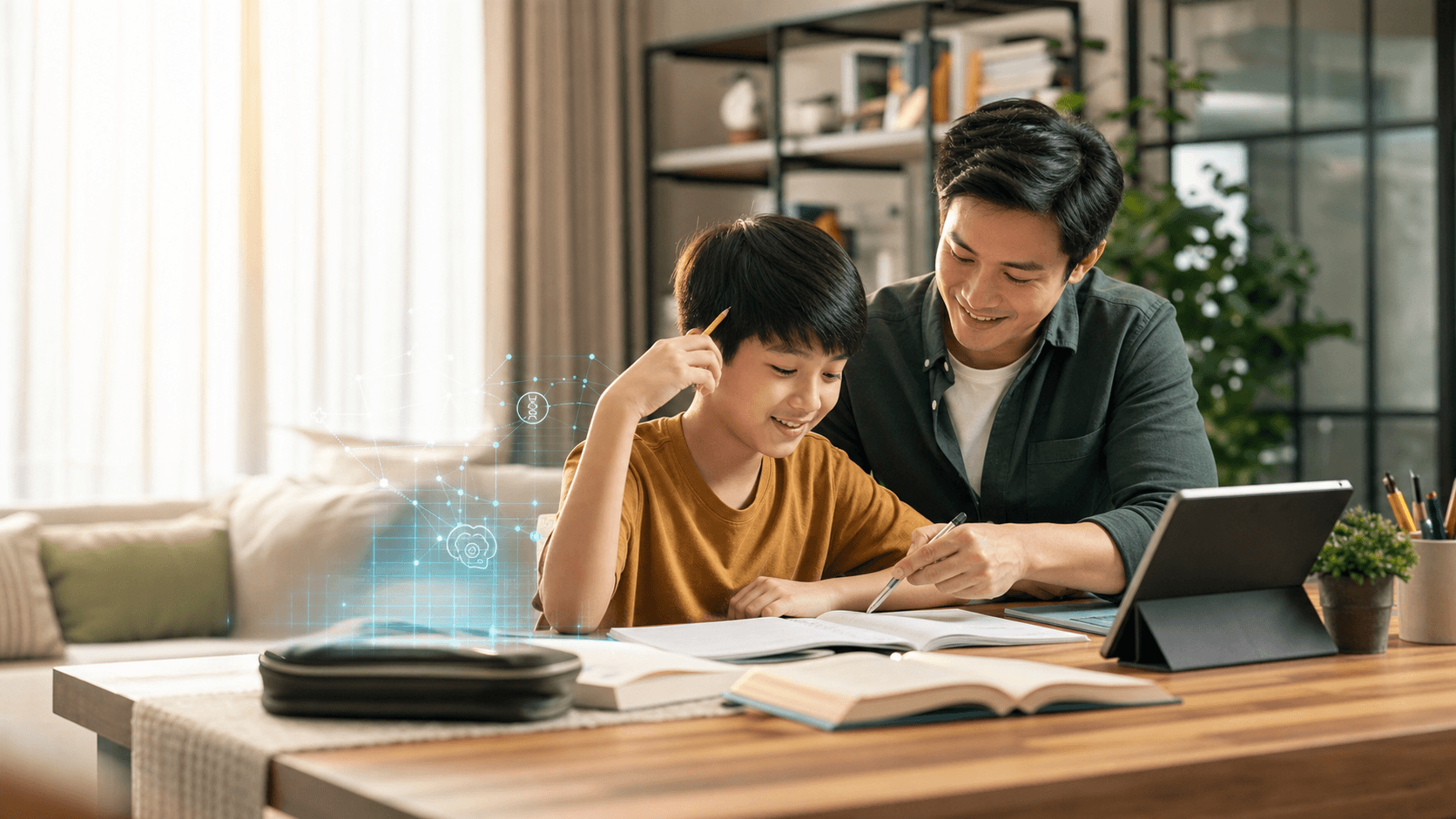
Artificial intelligence is changing education. It can explain concepts, generate essays, solve equations, translate text, and create study notes in seconds. But that does not mean students need less guidance. It means they need better guidance.
To prepare children for the age of AI, parents should focus on skills that machines cannot fully replace: critical thinking, communication, creativity, emotional intelligence, digital judgment, and the ability to learn independently.
A good private tutor can help students build these skills while still improving their school performance.
Key takeaways
| What kids need | Why it matters in the AI age | How tutors can help |
|---|---|---|
| Critical thinking | AI can give wrong or shallow answers | Teach students to question, compare, and verify |
| Strong foundations | AI tools are less useful if basics are weak | Fix gaps in English, Maths, Science, and languages |
| AI literacy | Students must use AI responsibly | Show when to use AI, when not to, and how to check output |
| Communication | Future work still needs clear human explanation | Train writing, speaking, and structured answers |
| Creativity | AI can copy patterns, but students need original ideas | Use projects, open-ended tasks, and feedback |
| Self-learning | Careers will keep changing | Build study habits, curiosity, and confidence |
How AI is changing education
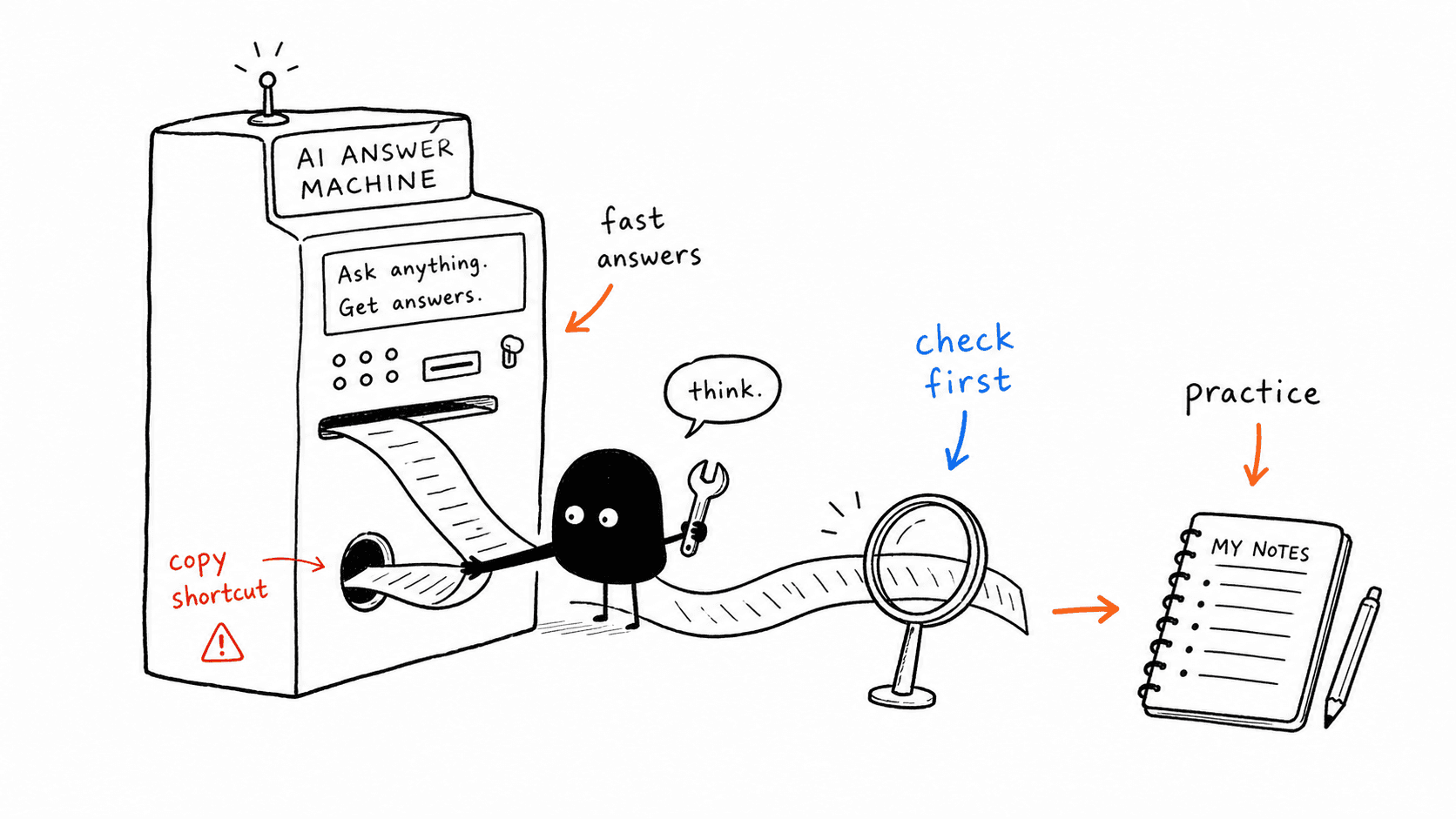
AI is already affecting how students study. A child can ask an AI tool to explain a Science topic, summarise a chapter, generate practice questions, or translate a difficult passage.
This creates both opportunity and risk. Used well, AI can support learning. Used badly, it can make students passive. A student may copy an AI answer without understanding it, accept false information, or stop practising the hard parts of learning.
That is why AI readiness is not just about learning how to use tools. It is about learning how to think.
UNESCO's AI competency framework for students covers competencies across ethics, human-centred thinking, technical understanding, and responsible use. Malaysia is also moving in the same direction through digital education policy and AI ethics resources for children.
Why students still need human tutors
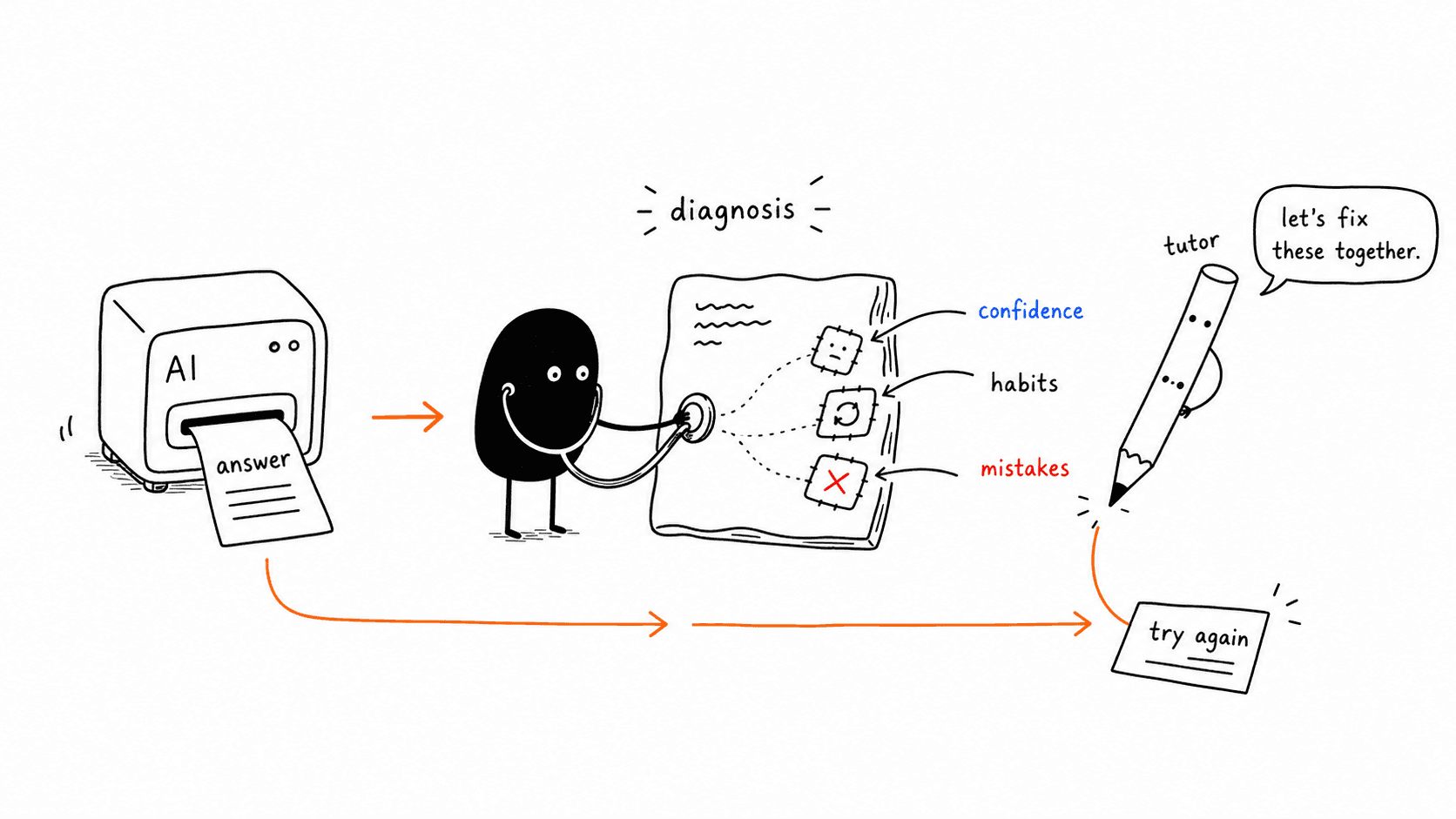
AI can give answers. A tutor can diagnose why a student does not understand. That difference matters.
A private tutor can notice if a child is guessing, losing confidence, memorising without understanding, or avoiding difficult questions. AI may produce explanations, but it does not truly know the child's emotional state, learning habits, exam pressure, or family expectations.
A strong tutor helps students do four things:
- Understand the concept
- Practise the skill
- Explain the answer in their own words
- Apply the idea without depending on shortcuts
The most important skills kids need in the age of AI
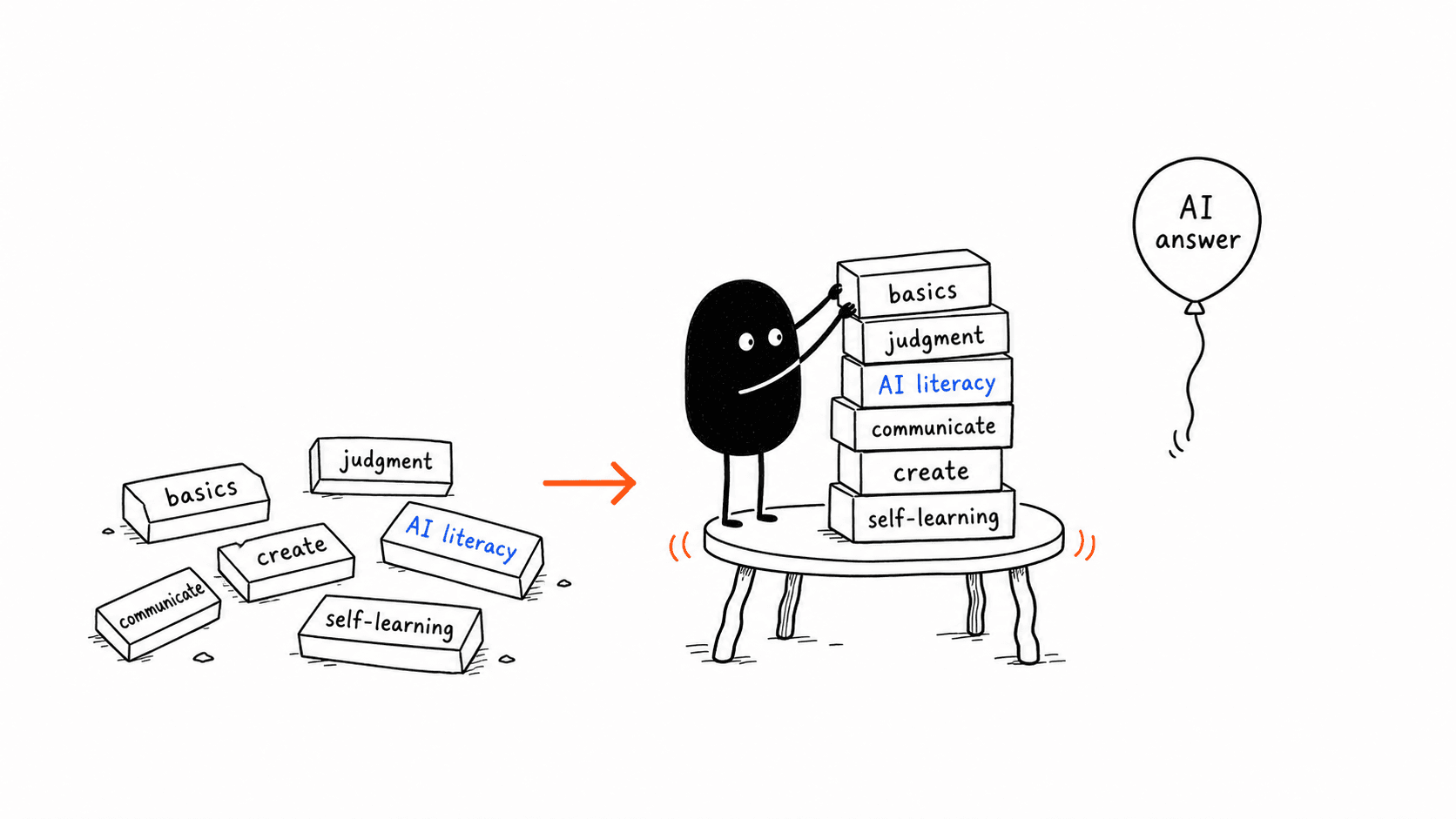
1. Critical thinking
Critical thinking is the ability to ask: Is this answer correct? What evidence supports it? Is there another explanation?
This matters because AI tools can sound confident even when they are wrong. Children must learn to check facts, compare sources, and spot weak reasoning.
A tutor can build critical thinking by asking students to explain answers, compare two solutions, correct mistakes, and defend their reasoning.
2. Strong academic foundations
AI does not replace reading, writing, Maths, Science, or English. It makes these foundations more important.
A child who reads poorly will struggle to judge AI-generated text. A child with weak Maths will not know whether a solution makes sense.
Before parents add advanced classes, they should identify the child's academic gaps. The right private tutor can focus on the exact problem instead of giving more general homework.
3. AI literacy
AI literacy means knowing how AI works at a basic level, how to use it responsibly, and how to question its output.
- AI is not always accurate
- AI can reflect bias from its training data
- AI should not replace original thinking
- AI can support revision, brainstorming, and practice
- AI-generated answers still need human checking
4. Communication
The more AI can generate content, the more valuable clear human communication becomes.
Students need to explain ideas, write structured answers, speak confidently, ask good questions, and work with others. Tutors can train this through aloud explanation, rewriting weak answers, presentations, and essay structure.
5. Creativity and problem-solving
AI can create first drafts and generate ideas. Students still need taste, originality, and judgment.
Creativity includes finding different ways to solve a Maths problem, designing a Science project, writing a stronger essay introduction, or connecting ideas across subjects.
6. Self-learning and adaptability
The age of AI will reward students who can keep learning. Tools, jobs, and syllabuses will change.
A good tutor should not make a child dependent. The tutor should help the child become a better learner.
Extra classes for my kids: what should parents choose?
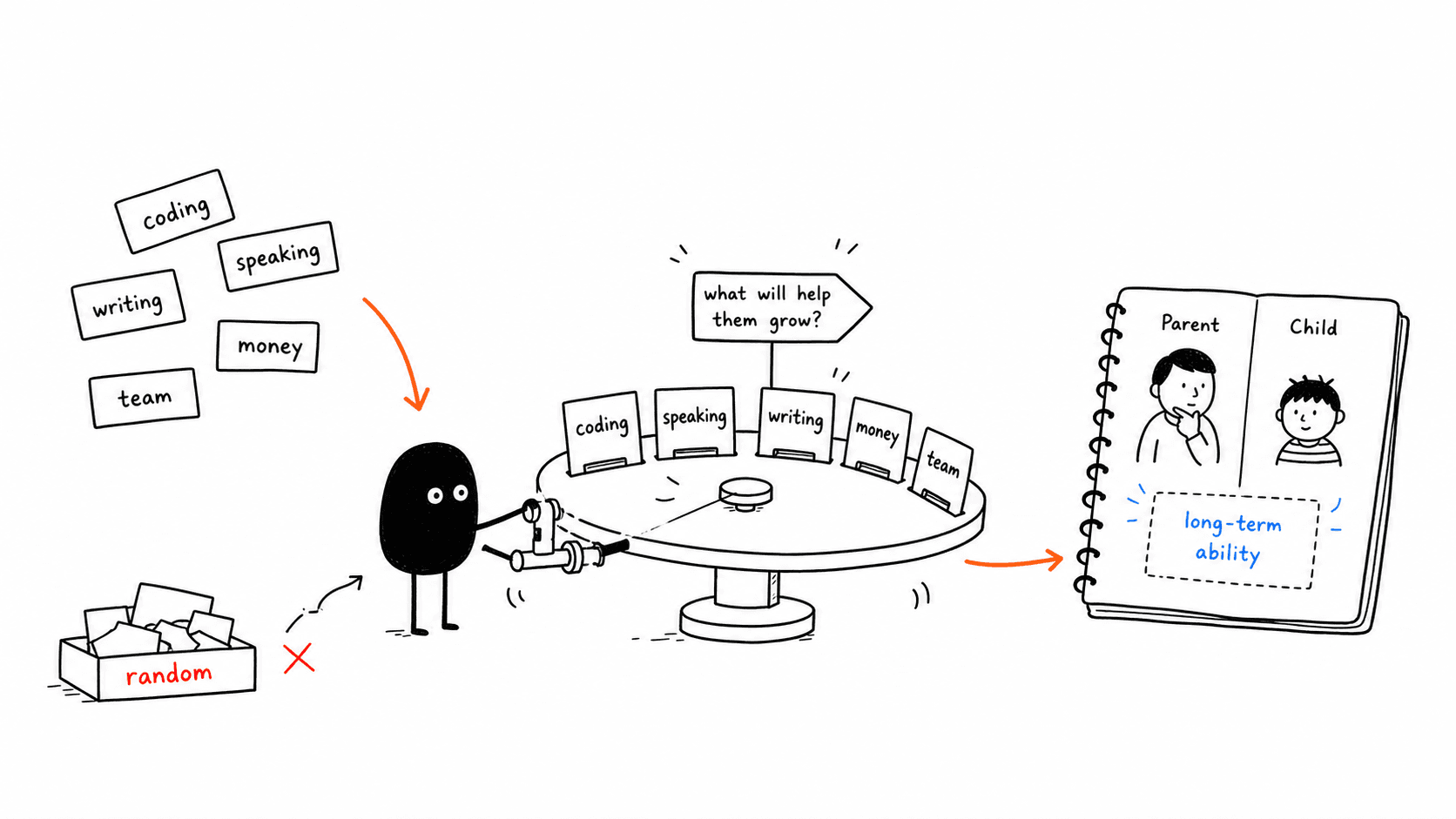
If you are asking what classes to choose besides tuition, focus on options that build long-term ability.
Coding or robotics
Choose this for children who enjoy building, testing, and solving problems. The real value is learning how to break a problem into steps, test ideas, and improve after mistakes.
Public speaking or debate
This helps students organise thoughts, speak with confidence, and defend a point of view. It is especially useful for children who know the answer but struggle to explain it clearly.
Creative writing or design
Writing and design classes give children space to develop original ideas, stronger expression, and better taste. They work well for students who enjoy stories, visuals, or open-ended projects.
Financial literacy
Older children and teenagers benefit from learning how money decisions work in real life: saving, budgeting, trade-offs, value, and basic business thinking.
Sports or team-based activities
Team activities build discipline, resilience, leadership, and collaboration. These habits matter because future-ready students still need to work well with people.
How Tutorly's private tutors can help
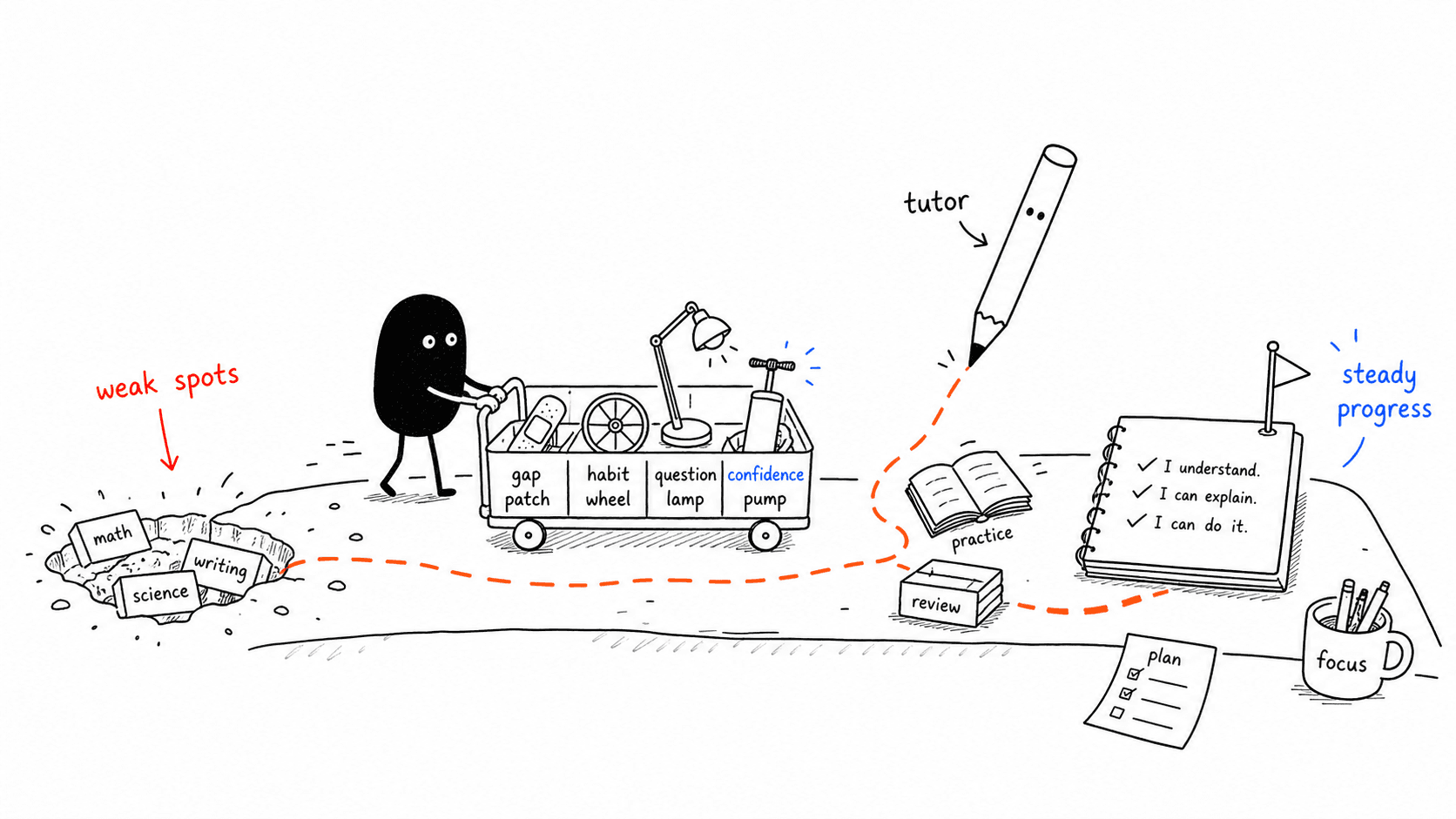
Tutorly helps parents connect with private tutors who can support both academic performance and future-ready learning.
The right Tutorly tutor can help your child:
- Strengthen weak subjects
- Build better study habits
- Learn how to think through problems
- Improve writing and communication
- Use AI tools responsibly for learning
- Prepare for exams without depending on memorisation
- Become more confident and independent
| If your child struggles with... | Look for a tutor who can help with... |
|---|---|
| Poor exam results | Subject mastery and exam technique |
| Careless mistakes | Step-by-step checking and focus |
| Weak writing | Structure, vocabulary, and clarity |
| Low confidence | Encouragement and gradual difficulty |
| Overdependence on AI | Reasoning, verification, and original answers |
| Lack of discipline | Study routines and accountability |
Conclusion
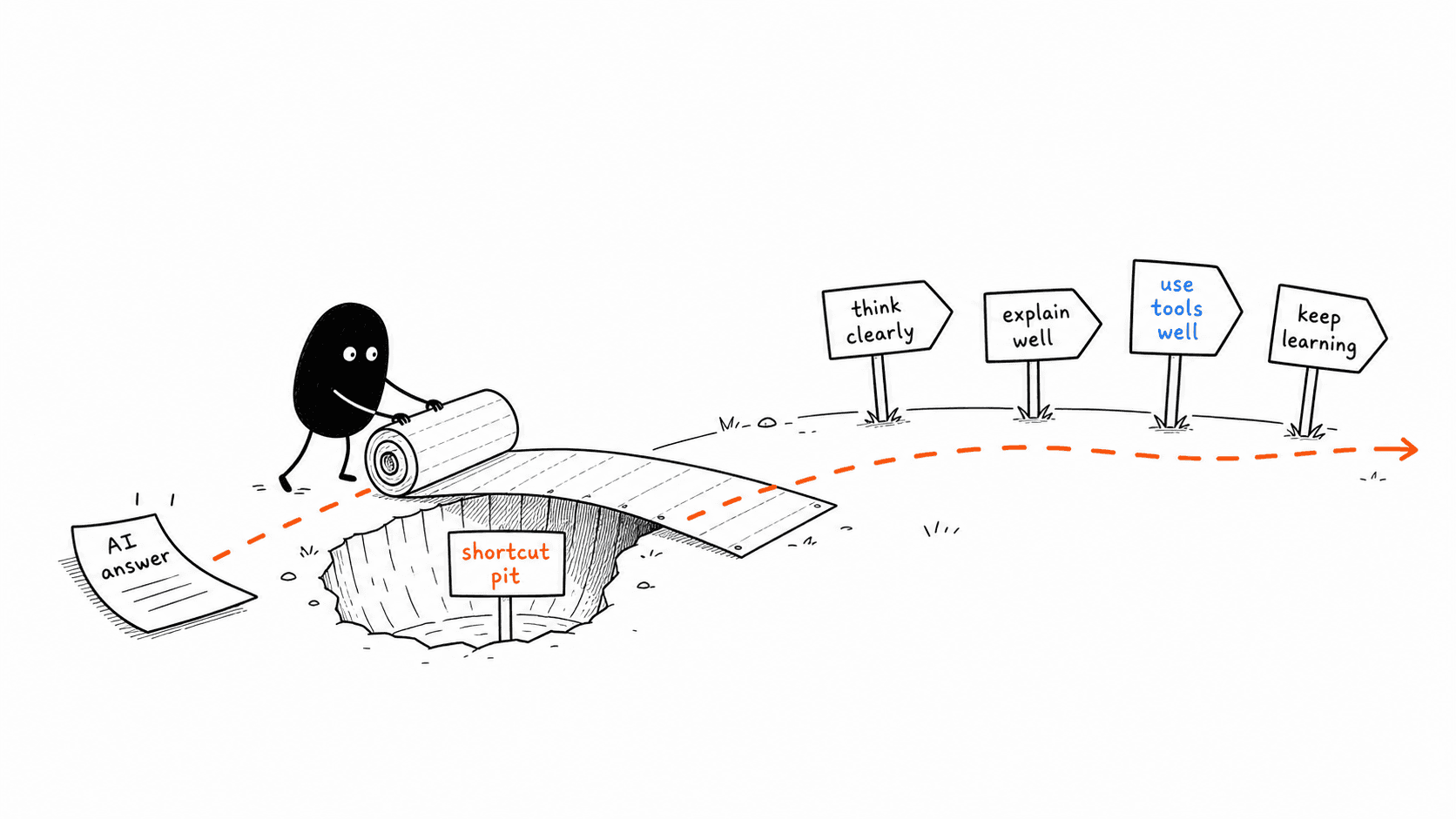
AI is changing education, but it does not remove the need for strong teachers, tutors, and parents. It raises the standard.
Students who succeed in the age of AI will not be the ones who copy answers fastest. They will be the ones who can think clearly, communicate well, use technology responsibly, and keep learning.
If you want to find a tutor who can help your child prepare for this future, start with the right goal: not just better marks, but better learning.
Frequently Asked Questions
Find a tutor who builds future-ready skills
Tell us the student's level, subject, and learning needs. Tutorly will help introduce a private tutor who can support school results and stronger independent learning.
Find a future-ready private tutorExternal Links
- World Economic Forum Future of Jobs Report 2025
Supports future skills and AI-related workforce claims.
- UNESCO AI Competency Framework for Students
Supports AI literacy and responsible student use.
- Malaysia Ministry of Education Digital Education Policy
Supports Malaysia's digital education context.
- Malaysia National AI Office AI Ethics for Kids
Supports local AI awareness for children.